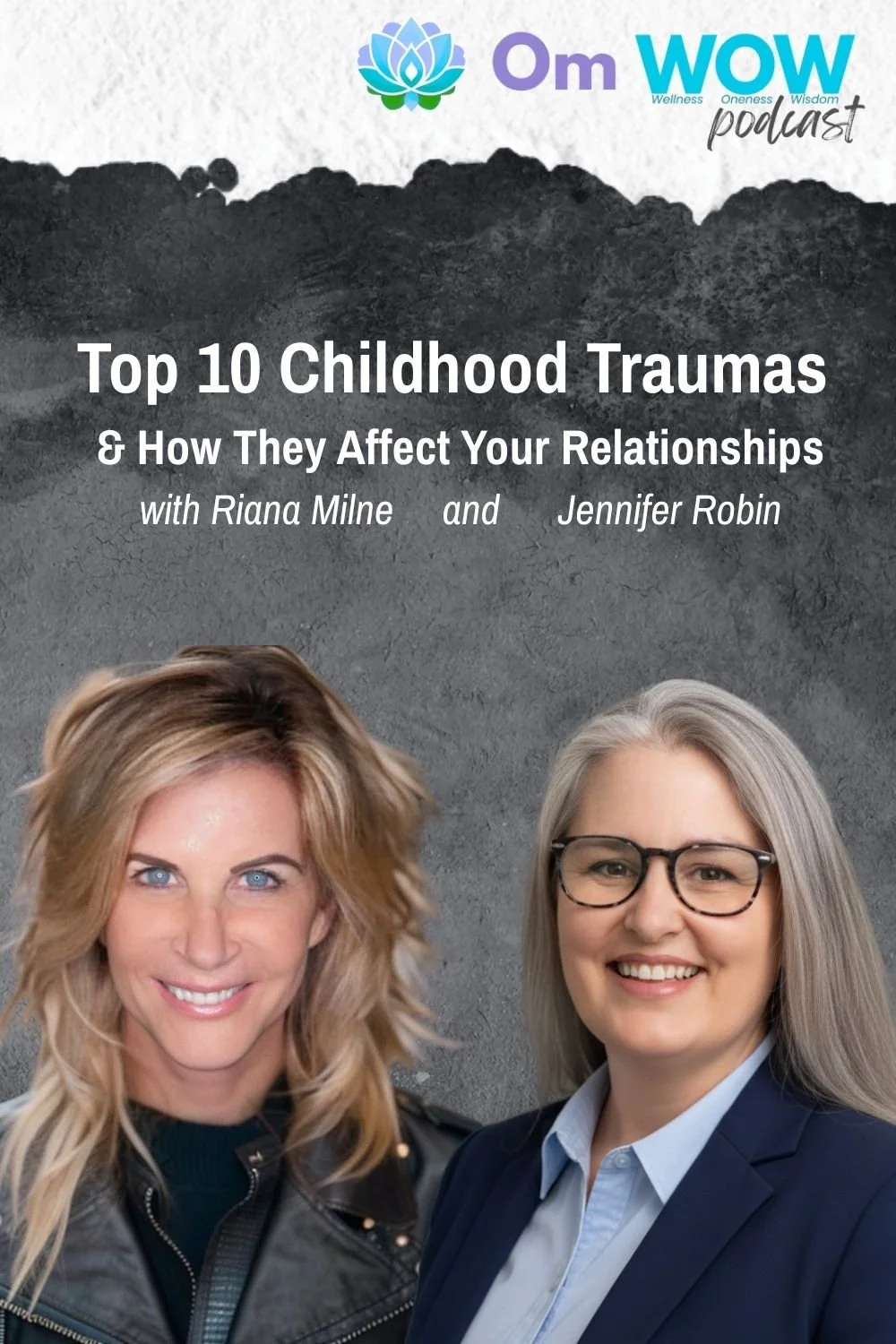
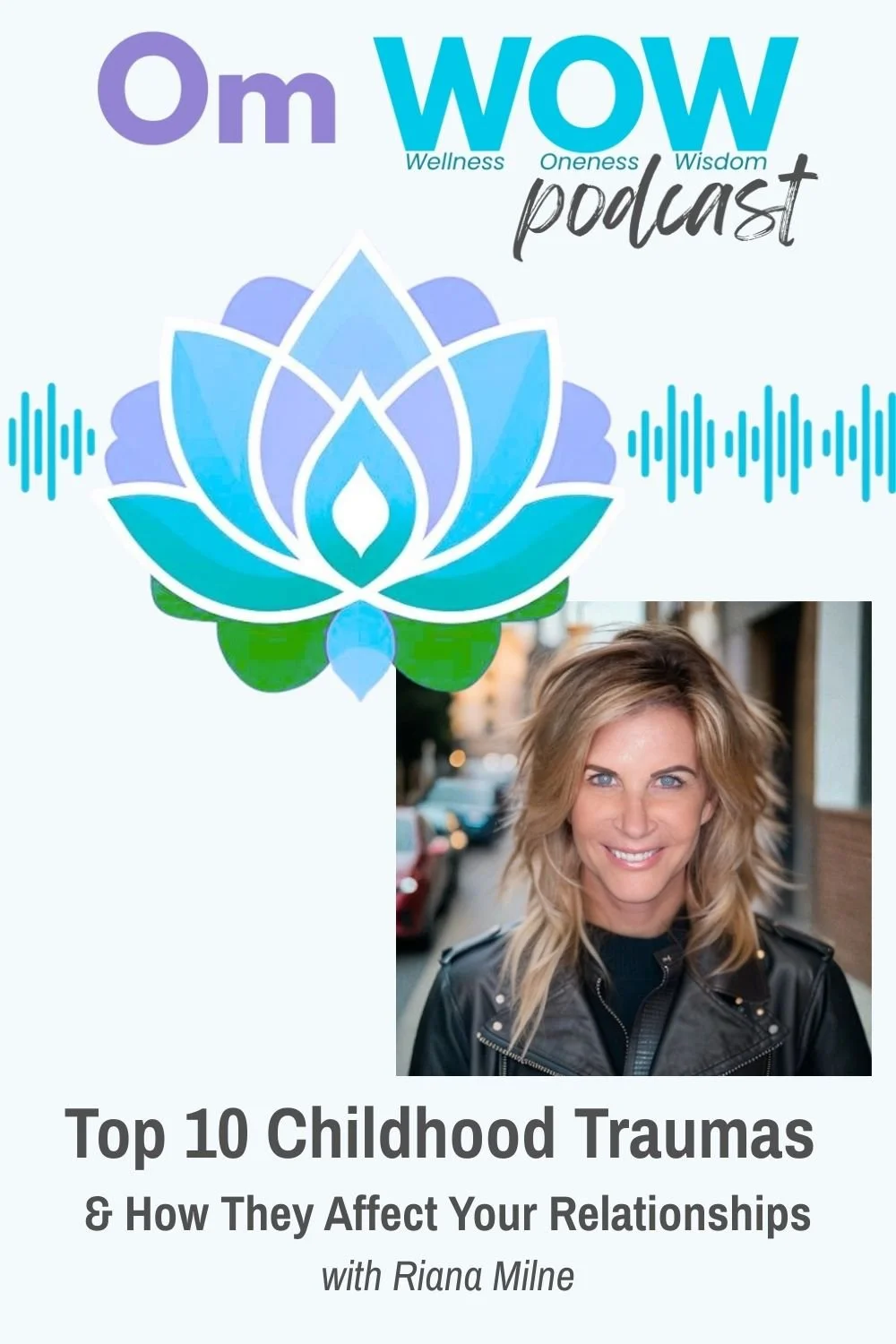
How Wounds from the Top 10 Childhood Traumas Affect Your Relationships with Riana Milne
Episode #41: Show Notes
The connection between childhood experiences and adult relationship patterns is something many people overlook until the patterns become impossible to ignore. Riana Milne is a licensed mental health counselor and certified global life and love coach who specializes in trauma recovery and relationship transformation. As a psychotherapist and bestselling author of Love Beyond Your Dreams and Live Beyond Your Dreams, Riana helps people break free from past trauma and build healthier, more fulfilling relationships.
Our conversation uncovered something that might surprise you: research shows that 90% of people can't remember some of the top 10 childhood traumas they experienced. Many of these experiences get buried deeply and normalized during childhood as a coping mechanism. Learn how these hidden wounds might be affecting your relationships today.
📖 Transcript for this episode (PDF)
Listen to the full episode:
Watch this episode’s video:
How a Childhood Loss Led to a Career
Riana's journey into this work began when she was just 16 years old. She lost her best childhood friend in a car accident to a drunk driver. It was the first death she'd experienced, and she asked her mom if she could go to a counselor. Her mother's response was firm: "No one in this family will ever go to a counselor." In her defiance, young Riana declared that she would grow up to become one. And that's exactly what she did.
After raising her daughters, Riana went back to get her master's degrees, followed by several specialty certifications After she experienced a love trauma herself, she decided to focus specifically on trauma.
How Trauma Gets normalized
Most people don’t think they had any childhood trauma; they may view it as “some bumps in the road.” When Riana did her research in 2012 with a large sample, she found that 90% couldn't remember some of the top 10 traumas. This happens because trauma gets buried so deeply and normalized during childhood as a way to cope.
Trauma can also become normalized. For example, not recognizing that being hit with a switch (a tree branch) was physical abuse… because it’s the way everyone in the neighborhood was punished.
Riana explained that trauma goes through three generations. What your parents experienced shapes how they raised you. In reality, it’s not that your parents didn’t love you, they just loved you as they knew how, based on their own experiences.
Top 10 Childhood Traumas
Trauma #1: Addiction in the Home
If addiction was present within the home you lived in. Most people think that's just drugs and alcohol, but it's actually much broader. These addictions form real trauma when a child feels put to the side while the parent is busy with their addiction. Addictions also include:
Sex (knowing your parent was a chronic cheater)
Porn use
Gambling
Hoarding
Spending
Eating disorders
Gaming
TV watching
Workaholism
Social media addiction
Trauma #2: Verbal Messaging
This includes what you heard when you grew up. Did you witness your mom and dad yelling and screaming at each other, or were they able to calmly talk through issues? Were your parents complimentary of you and proud of you, or did they say things like "You'll never amount to nothing" or "Change your clothes, you look fat in that outfit"? These are what we call verbal put-downs.
Many children never heard the words “I love you” while growing up. Often the reason why is that their parents didn’t hear those words from their own parents.
Part of healing is understanding the parent and then giving them the love they didn't get. These positive and negative messages stay with us for a very long time.
Trauma #3: Emotional Abuse or Neglect
The third trauma is emotional abuse or neglect. This can be subtle but deeply damaging. Neglect doesn’t just involve your parents not providing the proper food, shelter and safety. It also involves them being absent from your life. Perhaps you were part of the latch-key generation, and spent a lot of time alone in isolation after school, with no adult supervision.
Trauma #4: Physical & Sexual Abuse
Any physical abuse, rape, or molestation are clear violations that have lasting impacts.
Trauma #5: Abandonment
No-fault abandonment would be if a parent died early, had to leave the family to be deployed to go to war, or worked a lot on the road to support the family. It's not their fault. That was their job. They felt good about supporting their family, but there was a lot of absence.
Fault abandonment is never seeing your child or knowing your child, seeing them sporadically after divorce or a breakup, or even being in the house physically but emotionally disconnected. You don't go to the child's sporting events or activities. You're just an absent, non-involved parent.
Trauma #6: Living in Someone Else's Home
If you had to go live in somebody else's home or you were part of the foster care system, that creates trauma. Any time you didn't live with your mom or dad.
Trauma #7: Feeling Different
Maybe you were a chubby child growing up, or skinny and gawky and called a nerd. You might have been from a different culture, like the only African American in an all-Caucasian school, so you grew up feeling different, like you just didn't quite fit in.
This trauma especially appears with LGBTQ clients. They were afraid to come out, they finally came out, and a lot of their classmates would shun them or their parents and family rejected them.
Trauma #8: Sibling Trauma
Was your sibling a bully to you? Were they born with a medical condition where mom and dad had to give them more time and attention? Or most commonly, was your sibling the hero child, the golden one who was a star athlete or more handsome, more beautiful, or the smarter student you were always compared to? You end up living in that shadow, not feeling good enough.
Trauma #9: Family and Community Trauma
Community traumas include Mother Nature events like floods, fires, and hurricanes that wipe out large communities. COVID is a prime example of what a community trauma did to our country and around the world, especially impacting young people staying home from school while parents went off to work amid fears of "Are we gonna die?" Mass shootings, school shootings, global unrest, and political messages all fall into this category.
Family trauma includes situations like one of your parents being incarcerated, growing up in poverty or a dangerous area, or growing up in a military family. Here in the U.S., military families have to move every two or four years, making that child the new kid in school repeatedly.
Trauma #10: Mental Health Issues in Parents
Baby boomers didn't see their parents go to counseling because it was considered shameful. So they kind of had to guess what was going on. Your parents could have been dealing with depression or other issues completely without medical help or advice.
Mental Health Issues That Impact Children
I asked Riana to explain more about the mental health issues that are particularly difficult for children to deal with. She explained that bipolar disorder is manic-depressive. A manic phase could be going gambling and winning, then going out again and losing everything, including the house. Or being a shopaholic and buying a bunch of things on sale, then two months later not being able to pay your bills. The manic phase with the shopping spree is followed by depression.
The other condition, which is harder to live with, is borderline personality disorder. The way Riana describes it: when they're good, they're great. When they're bad, they're horrid, and you never know what you're going to get. A child may be anxiously wondering, "Is my dad gonna be in a good mood today or is he gonna be drinking and mad and hurt me?"
It's a very erratic personality type that makes kids feel very unsafe. Then they grow up with an anxious personality type.
First Steps for Healing Childhood Trauma
Based on what Riana shared about identifying childhood trauma, here are some first steps I’d like to share that you can take right NOW to begin addressing these patterns.
#1 Acknowledge what happened.
If you recognized yourself in any of those 10 traumas, simply naming it is powerful. You might journal about it or talk to a trusted friend. Denying what happened or normalizing it isn’t going to help.
#2 Practice self-compassion.
As Riana mentioned, many of these behaviors, like people-pleasing or anxiety, are coping mechanisms that you developed as a child to survive. They made sense then. So be gentle with yourself as you work to change them now.
#3 Start noticing your patterns.
When you feel jealous, controlling, or have an impulse to people-please, pause and ask yourself, "Hmm, what childhood wound might be driving this?" That awareness in itself begins to break the automatic cycle.
#4 Consider professional support.
While these steps can start your healing, working with a trauma-informed therapist or coach like Riana can help you go deeper.
How Childhood Trauma Shows Up
Riana has books on this topic, including Love Beyond Your Dreams, that go into more detail about healing childhood trauma and breaking those relationship patterns.
Now that we understand these traumas, how do they show up in adult romantic relationships? Riana explained several patterns.
Jealousy and Controlling Behavior
If you feel that you're jealous or controlling in a relationship, this means the traumas of verbal messaging and trauma seven (not feeling good enough about yourself) are still intact. They're still in your subconscious. You haven't healed them yet.
Impulsivity and Poor Decision-Making
Impulsivity is usually tied to someone who grew up struggling financially in the family. Then they find a good job and there's been thrift, so they spend a lot of money impulse buying. "I want the shiny red sports car because I think I deserve it." Then for years, you have it, you can't pay for it, you're struggling, and you're angry.
A lot of impulsive people, including cheaters, have high impulse control issues. They don't think of the consequences. "Well, if I cheat, this could really ruin my marriage completely. It could break up my family, we could lose our home. If I do this in the workplace, I could lose my job." The impulsive type does not think of consequences ahead of time. It's a very dangerous pattern for those in relationships.
People-Pleasing Patterns
People-pleasing is a pattern that a lot of women exhibit. They learned as young girls, "If I'm the nice, sweet little girl to my angry alcoholic dad, maybe he won't yell at me or punish me," so they just people-please constantly to get love.
An example is the oldest daughter who wakes up and gets all the siblings ready for school, gets their lunches made, gets them to the bus stop, and at least nobody yelled at them that morning. She'll hear, "Thanks, hun," on the way out. That's how she learned to get loved by people-pleasing.
Riana shared an example of a couple who came to her. The woman said, "You know, I do everything for my husband and family and I never hear a thank you or I love you. There's no appreciation for me and I'm burnt out, resentful." The husband responded, "Well, I don't ask her to do all those things and I'd rather she didn't. I feel like she's always walking behind me picking things up."
Her boundaries were so stretched and she had no balance in life. They had to process why she was people-pleasing so much and why she thought she had to do all these things just to get love.
Abandonment Issues Leading to Clinginess
Those who have had abandonment issues can be prone to being clingy and having high anxiety. If their partner's out of town, they can seek attention elsewhere, trying to build their ego. This can all come from abandonment issues or not feeling good enough.
Other Relationship Patterns from Unhealed Trauma
Other patterns include anger and yelling (if you grew up and that's how people communicated, you think that's normal, and it's not), addiction of any kind, overspending, self-medicating through drinking or spending or gaming, perfectionism, and blaming behavior. Anyone blaming you constantly is showing a sign that they have unhealed trauma and are not able to apologize. They don't want to feel wrong again, so they refuse to apologize.
There are all kinds of things going on within singles and couples that they're not even recognizing are signs of unhealed trauma.
7 Areas of Life Impacted by Unhealed Trauma
Riana walked me through the seven areas of life that are impacted by unhealed trauma. This information is eye-opening and shows just how far-reaching these childhood wounds can be.
Area #1: Physical Health
The Kaiser Permanente Group did an ACE test (Adverse Childhood Experiences). They did a study with overweight people and what type of disorders they had compared to what their childhood traumas were. Their studies found a lot of sleep disorders, eating disorders, poor immune function, fibromyalgia, Epstein-Barr virus from ongoing stress, cardiovascular disease (heart disease), and a shorter life span in those who have unhealed childhood trauma.
Area #2: Emotional Health
The emotional aspect includes difficulty controlling emotions, leading to more anger outbursts or moodiness. There's trouble recognizing emotions in yourself and in others, saying "It's not a big deal" when it is. If you're yelling at someone, that's a sign. Limited coping skills mean that if you're going through stress, you're freaking out more than you need to. Increased sensitivity to stress means you're always hypersensitive or stressed out. There's also a lot of shame and guilt that you're not succeeding or you're not good enough, pretty enough, smart enough. All those feelings of helplessness and lack of self-esteem fall under emotions.
Area #3: Relationships
Beyond what Riana mentioned earlier, this includes attachment problems, low trust, poor understanding of social interactions (like wondering "Is he interested?"), a lot of women using sex to get love, difficulty forming friendships (having few or zero friends, or being unable to hold on to friends), and problems in romantic relationships.
This leads to what we call RRS, Relationship Repetition Syndrome. That means you would have one partner and you break up, get back together, break up, fight, get back together. The average research says couples do that about seven times until one partner says, "That's it, I'm done." That's one form of it.
The other form is the same person but a different face. Same personality type. So you break up with an abuser, someone who's toxic towards you. You read 10 self-help books. "I got it. Now I'm gonna date someone totally different." And then you have the same type of person again. And then again.
Riana usually gets clients after the third person, and they say, "How come I keep getting these people, these narcissists, these abusers, these toxic people?" It goes back to childhood trauma. The brain likes what it knows, but it can't decipher whether it was good or bad. It's just "This is what my normal is." It's familiar to the brain, and the brain likes familiarity.
That's part of the issue, and that's what we call chemistry. So people who are falling in love by chemistry are repeating past traumas. You've got to really break those patterns and know exactly what you're looking for.
Area #4: Mental Health
Mental health impacts include anxiety, depression, negative self-esteem, post-traumatic stress, post-traumatic relationship disorder (like from abusive relationships), and suicidal ideology.
Area #5: Behavior
The next category is behavior. Poor self-regulation means you may say, "I'm not gonna do that. I'm not gonna have a drink tonight." It's like, "Well, what's one?" And then you have another one and there are two, and you just can't stay in personal self-control. Social withdrawal means you're feeling shy and don't feel confident to get out there and meet people. Other behavioral impacts include aggression towards others, poor impulse control, risk-taking, illegal activity (gambling, betting on football, or whatever), sexually acting out, and drug and alcohol misuse or any other addictive substance.
Area #6: Brain Development
The last two categories Riana tied to students and children. Brain development impacts include scenarios like an upset woman who's pregnant and under relationship stress her whole pregnancy. This could lead to smaller brain size in the baby. Impaired stress response means a kid that startles easily or a little baby that's always anxious and crying a lot because they didn't feel settled in the mother. There are also changes in gene expression.
This fact came after studies were done on survivors from the Holocaust. Through the lineage, trauma goes through at least three generations because gene expression actually changed in that population to make them more highly anxious due to what their ancestors unfortunately went through.
Area #7: Cognition
This impairs both adults and children. It includes impaired readiness to learn for a child, difficulty problem-solving, language delays, problems with concentration, and poor academic achievement.
Overcoming the "Not Good Enough" Feeling
One of the things Riana brought up that I think is very, very common, going along with low self-esteem, is the "not good enough" feeling. "I'm not pretty enough. I'm not smart enough. I'm not the star athlete. I'm not the best on the hockey team." All the "I'm not _____ enough" statements.
So what can we do to take steps to start feeling more like we are enough? Riana explained that's what we call increasing your self-love.
Finding Your Purpose
The people who have purpose in their life are the happiest. What is your purpose? Do you love your work? If you don't love your work, what is it you really want to do? Do you have hobbies that you love? Do you have friends that are good to you?
We have to examine the whole life and create the life we desire. Riana encourages her clients to increase their confidence and self-love and get 10 areas of their life together before even thinking of dating.
Taking a Break from Dating to Heal
Riana asks her clients to temporarily stop dating. She wants to identify their childhood patterns and see how they're showing up in their relationships and why they're attracting the types of people they are. She can put all the puzzle pieces together. For example, she might help you to see that because your dad was an angry alcoholic you now chase after men to love you. She can help you to instead take your time, become self-assured, and love who you are first.
Why Successful People Still Struggle in Love
Riana explains a common scenerio: A home environment was not healthy, but they attached to a teacher mentor. They found if they got good grades in school, at least their parents would be happy about that and get off their case about their grades. Then usually when they're older, it's like, "I'm getting out of this house and getting the grades so I can go to college and get out of here." That's usually the high school mindset. The grades are good and that work ethic is there, often developed to please a difficult parent. So they do become successful, but they never heal the underlying emotional love piece.
The first love you're supposed to get that is supposed to be gentle and kind and safe is from your mom and dad, and that's not always the case. Some people have a wonderful childhood upbringing but might have been molested by a coach or an adult mentor or beaten up at school every time they went, being bullied constantly.
Getting Professional Help for Trauma Recovery
There are many different combinations of trauma, and it can be helpful to work with a trauma professional specialist. A specialist can diagnose what's going on and help you through the mental health aspects of it, including anxiety and depression.
For people who don't have the capacity to get one-on-one help, Riana's books can be incredibly valuable tools.
Love Beyond Your Dreams
Riana recommends starting with her book “Love Beyond Your Dreams.” The first chapter is "Personality Types That'll Break Your Heart." It's written like she's talking to you, giving you lists and clear descriptions. You’ll recognize the kind of person you’ve been attracting, and what to watch out for.
Part two is what you can identify within yourself. Did you have love addiction? Do you have codependency? What's going on within you and how can you help clean that up and heal that Part three is getting back out there to date again, and what to do on a date, the do's and the don'ts.
Part four explains what the emotionally healthy, evolved, and conscious relationship looks like. It includes 24 questions that you should be asking your date within the first two to three dates. These questions tell you a lot of information about whether you should continue or not with that person.
Live Beyond Your Dreams
Riana’s book “Live Beyond Your Dreams” is all about the mindset for success. The two books are meant to go together because you can't have great love until you have a great mindset and self-love. You need self-love and a great mindset. You're gonna need to know the dating rules so you don't pick up someone who doesn't serve you.
A Real-Life Example of Smart Dating
Riana shared a story about a woman who was starting to date. The first date went well. He pulled out the chair. He asked her for a drink and if she wanted something to eat. So then she started asking the questions from the book.
She asked, "Well, tell me about your mom." He responded, "Oh, my mom, well, she never stops. She's such a pain to me. She’s in a nursing home and I’m footing that bill. It's been years. I hate to have to go visit her."
Now she knew she was dealing with a "mother hater." He didn't like his mom. When she asked, "Was it rough as you were growing up?" he said, "Oh yeah. She yelled and screamed at me my entire life."
So now she knew that he hadn’t done the work to heal from that experience. From reading the Love book, she knew he would probably never quite respect the woman he's with. He’d likely be difficult and demanding. She finished the date politely, but had decided in her mind that she wasn’t going to continue dating him.
He called her the next day and asked her out on another date. She responded, "Well, thank you very much. I just don't think we're quite a match." And he started yelling at her "What the #%## did I do wrong?" and continued lashing out with verbal junk. She said, "I'm sorry, I don't take conversations like this. I'm gonna hang up and lose your number. I wish you the best."
This is why Riana’s trauma and relationship advice is so helpful! Now when people are going out and dating, they know exactly the do's and the don'ts and what to look for.
Smart Dating Saves Time & Heartache
Imagine if you knew sooner that you were not in the best dating relationship for you. You could confidently move on to find somebody who was. Riana says it's easy when you know what to do! There is an art and science to it. There are plenty of great women and great men out there, all ages, all cultures, all backgrounds, who are wonderful people. You just have to put in the time, energy, and knowledge to get out there and date consciously.
The Path Forward: Creating the Life You Desire
Start with healing the childhood trauma that leads to love trauma. Get yourself exactly where you want to be. Riana encourages everybody to stop waiting! Now is the time to create the life you desire and have the love you deserve.
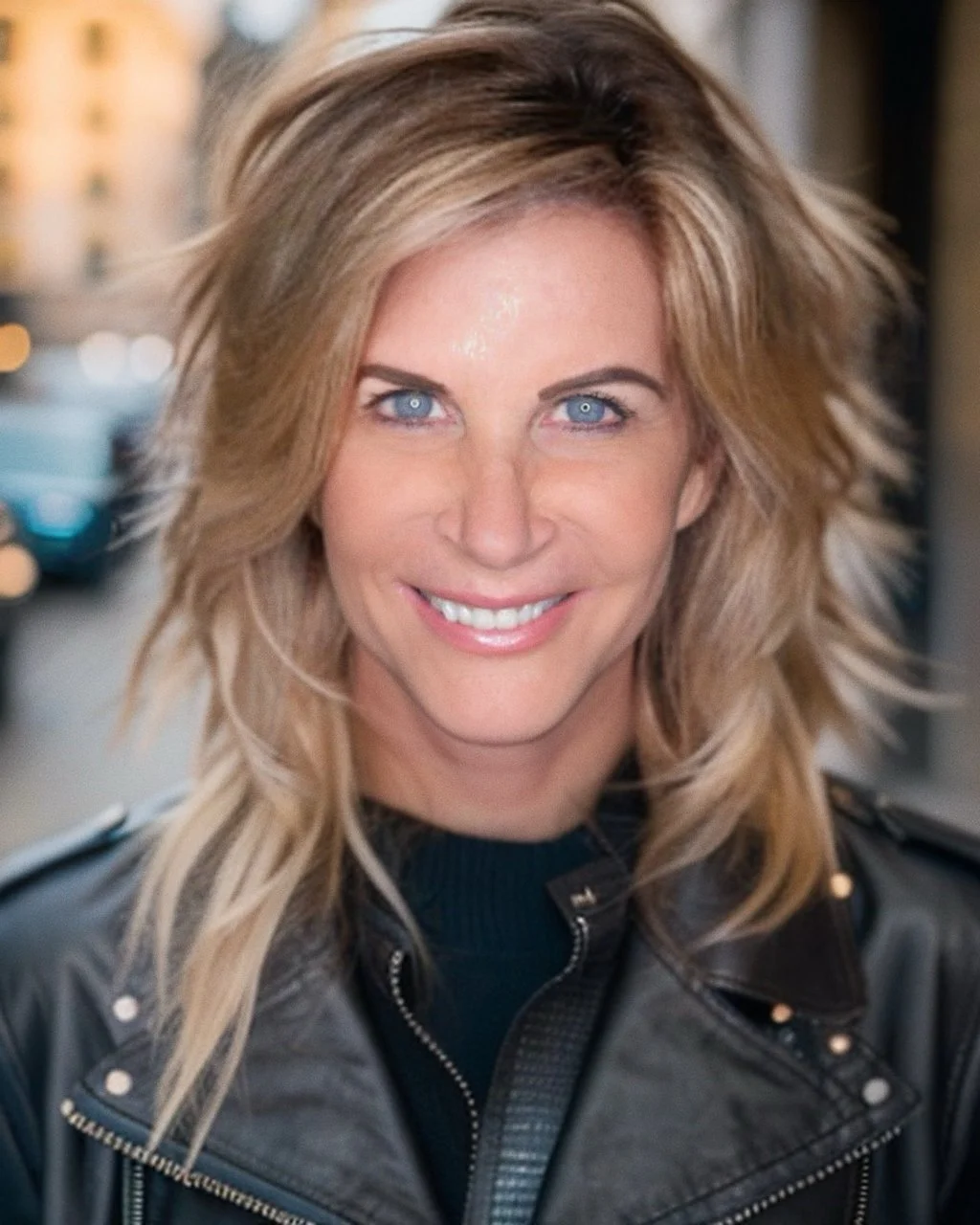
Meet Our Guest: Riana Milne
Riana Milne was featured in FORBES, NY Weekly, US Times, Disrupt, Influencer Daily, Women’s Journal, Her Forward, and Wealth Insider Magazines and was selected as “One of The 100 Most Successful Women Around the World” by The Global Trade Chamber. She’s a Certified, Life, Love Trauma Recovery & Mindset Coach, an Advanced Certified Clinical Trauma Professional, a #1 Bestselling author of her books – LIVE & LOVE Beyond Your Dreams, the Host of her Podcast called Lessons in Life & Love™, and a Licensed Mental Health Counselor for over 26 years living in Florida. Riana specializes in Helping Adults overcome both Childhood & Love Relationship Trauma using telemedicine for counseling in Florida and coaching globally to Help Singles & Couples to "Create the Life They Desire & Have the Love They Deserve" using her "Mindset for Success System,” which she has been teaching for over 40 years.
Connect with Riana:
Lessons in Life & Love™ Podcast
LIVE Beyond Your Dreams; From Fear and Doubt to Personal Power, Purpose, and Success
LOVE Beyond Your Dreams; Break Free of Toxic Relationships to Have the Love You Deserve
FREE eBook: Have the Love You Deserve

Meet Our Host: Jennifer Robin O’Keefe
Jennifer Robin is always searching for the next thing that might help: the book, the practice, the reframe you didn't know existed but turns out to be exactly what you needed.
Through conversations with experts, authors, and everyday humans, along with personal reflection, Jennifer focuses on bridging the gap between "woo" and practical, accessible self-support. Her work is rooted in the belief that wellness is not about fixing yourself, but about remembering your worth and finding what genuinely works for you.
She has spent decades exploring personal growth, energy healing, and mind-body wellness. She's trained in EFT Tapping and coaching, tools she often references in her conversations. She's not positioning herself as an expert who has it all figured out. She approaches her work with humility, curiosity, and deep respect for individual experience.
Jennifer is a lifelong learner who cherishes books and notebooks. She loves diving into research and sharing what she learns in a way that feels relatable, compassionate, and pressure-free. These conversations are an invitation: to ask your own questions, gather perspectives that resonate, and build a life that actually feels good to you.