
Stop Sitting Still: What Good Posture Actually Means with Michael J. Mullin
Episode #59: Show Notes
What do you picture when you hear the word “posture?” Most people think it means sitting up straight, keeping shoulders back, and not slouching. But that image is working against us!
Certified athletic trainer, Michael J. Mullin, joined me on the show to set this record straight. Here’s what you need to know to position your body in healthier ways during your day.
📖 Transcript for this episode (PDF)
Listen to the full episode:
Watch this episode’s video:
What We’ve Been Told About Posture Is Wrong
The biggest misconception about posture is that it should look a certain way. We treat it as something static, like a photograph of how the body should be arranged. But posture is a snapshot in time. It is an image we create in our heads about how something should look, and that suggests it is fixed. The reality is that you are a living organism where everything inside is constantly moving.
When we stack stationary, static ideals on top of a dynamic, living, breathing body, there is a mismatch right from the start. Posture is reflective of all the different systems inside us. Every sensory system is involved in how we position ourselves throughout the day, whether we are standing, sitting, walking, sleeping, or performing at a high level. The word Michael prefers is not "posture" but "arrangement." Can you arrange your body so that it stays dynamic and allows its internal systems to do what they are supposed to do?
Your Body’s a Pumping System!
Most of us think of the body as a skeleton held up by muscles, with ligaments keeping everything in place. The idea of a "strong core protecting the spine" comes from this mental model. But that is not really how it works.
Inside us, things are pumping all the time. The heart squeezes and ejects blood through the arteries, and the way it pumps involves a twist, not just a squeeze. The diaphragm, a dome-shaped, jellyfish-like structure in the middle of the body, moves down on inhalation and up on exhalation. It pumps airflow and also pumps our organs. Our intestines are constantly squeezing things through. Our cerebrospinal fluid is being pumped by our heart rate and airflow, which is what keeps the brain and nervous system healthy.
The goal is to arrange the body so all of those pumps can do their job as evenly and balanced as possible. When we are too rigid, too tense, core engaged with shoulder blades pulled back, we lose the ability to expand and compress properly. We have stacked tension on top of a system that needs to breathe.
This is also why sitting or standing still for too long is a problem. When we are stationary, we rely only on those internal pumps. What the body really needs is external pumping. That means walking. Going up and down stairs. Moving side to side. These create vibration and dynamics that stimulate the internal pumps to work more effectively. It is literally how we evolved.
What Balanced Breathing Does for Your Body
Breathing is not just about getting air in and out. It is the foundation of how the body supports itself. Many people have an imbalance in their breathing. The brain prioritizes breathing above almost everything else, so it will arrange the body into whatever position makes breathing easiest, even if that means structures shift into uncomfortable resting positions over time. Eventually the body starts saying "this is the only way I can move air comfortably," and that begins to limit how easily you can move at all.
The role of the deep abdominal muscles is not primarily about aesthetics or even stability in the way we usually think about it. Their job is survival: managing internal pressure. On inhalation they hold the organs in place, and on exhalation they squeeze things back out. They help us cough, sneeze, and do all the things the body needs to do to survive. Think of the core as a canister or pump. The goal is Goldilocks: not too much tension, not too little. Just enough to open on inhalation and squeeze back in on exhalation. Build the foundation of those primary roles first, then add strength on top of it.
Fascia plays into this too. It is the connective tissue that stores energy, helps maintain control, allows shape to change, and helps bring the body back to a balanced position. It is full of fluids, and those fluids need to be squeezed and moved around. The way we pump our internal pumps is part of what keeps fascia healthy and functional.
Practical breathing tips:
Breathe in and out of your nose as much and as often as possible, day and night, even during activity, until you genuinely cannot anymore.
Take fuller breaths than your body is used to. Many people breathe in a shallow or rushed way without realizing it.
Practice a longer, slower exhale than usual, not forceful, just longer. Pause for a couple of seconds after the exhale, then take a smooth, full inhale, and pause again for a second or two.
Take a five or six breath reset. Do it while sitting with feet flat on the ground and sit bones grounded. It resets the breathing apparatus and helps you go back to your work in a better state.
How to Properly Sit at a Desk
The so-called ergonomic position with your feet at 90 degrees, back straight, lumbar support engaged, and all those precise angles… doesn’t support the reality of how the body works. It forces people into one static position and dampens the body's ability to do what it is supposed to do. Here’s what to focus on instead:
Feet and foundation:
Shoes matter more than most people realize. If you wear heels for professional reasons, kick them off when you sit at your desk for a long stretch. Heels throw off the foundation. You want feet flat, feeling the ground underneath them. Having something inside the shoe so the arch has something to push into is helpful, since flat ground alone does not give much feedback.
Sits bones:
Feel your sits bones, the bony points under your backside, directly underneath you. Seat depth matters here. It should not cut into the back of your calves or push you too far from the seatback. With your sits bones grounded, think of your body stacking on top: head on shoulders, shoulders on chest, chest on hips, all the way down.
The seatback:
This is a big one. The seatback should be something you can feel but not lean into. When you lean back while working on something in front of you, it draws your head forward and puts stress on the system. Think of the seatback as something that is just there, not something holding you up. You can lean back briefly while reading, but the more time you spend in that arranged, stacked position, the better.
The back-breath check:
Do this periodically throughout the day. Just feel whether your back opens and expands when you inhale. If it does, you are in a position where your back can do its job.
Micro-movements while seated:
Every now and then, let your thighs shift slightly forward and back of each other. It is a small movement of the pelvis, almost like taking your body for a tiny walk while staying at your desk. Push away from the desk occasionally and look down the hallway or out the window. Something that takes you out of that closed-in state and opens your senses outward. Take a few nasal breaths when you do. This decreases the intensity of everything pulling you inward.
How Often Should You Get Up?
You may have heard the recommendation to get up from sitting every 20 minutes. That is hard for most people, especially when you are in a flow state on a project. A more realistic target is every 30 to 45 minutes. If you are incorporating micro-movements, the back-breath check, and thigh shifts throughout your sitting time, you are giving your body periodic rests and keeping some movement going. That builds resilience for longer stretches.
For keeping track of time, avoid setting a phone timer. Picking up your phone can too quickly become a distraction. Glancing at your computer clock works well. Even better is a simple visual timer like a wind-up kitchen timer or a Time Timer, the kind with a colored disc that shrinks as time passes. It is a gentle visual cue rather than an interruption.
When you do get up, the break does not need to be long. A couple of minutes is enough. Walk down the hall, go up and down the stairs, or step outside for a minute. Think about your project from a different physical environment. If you are truly in a flow state and hear the timer but need to keep going, that is fine. Just take a longer break on the other end or reset the timer for a few more minutes. The goal is awareness and presence, not rigidity.
Standing Desks Are Only Better If You Move
Standing is not dramatically better than sitting if you are just standing still on both feet. What standing allows for is the opportunity to gently sway. And by sway, I mean shifting your weight over and down onto one side, then over and down onto the other. Not just tipping from side to side. Think of it as the body helping itself pump.
Whether your feet are parallel or one foot is slightly forward, the key is occasionally shifting your weight to the back leg and then forward again. Not constantly, just periodically. You can also bring one knee up and then the other, a little marching in place, then return to your work. The body naturally begins lubricating everything inside and keeping it stimulated.
I can personally vouch for this. On the days when I stand more and shift my position periodically while standing, my back feels noticeably better. And this just might be a personal side effect, but I also notice I’m less groggy at the end of the day.
Why Your Chair Might Be the Problem
We invented chairs. We did not evolve with them. We evolved with rocks and the ground. Many people never get past chair level anymore, meaning they have lost the range of motion to fully squat, which is how humans were meant to go to the bathroom, deliver babies, and rest. In some Asian cultures, sitting all the way down with the backside near the heels is still common. Many of us cannot do it because our systems have been stopped halfway down by chairs.
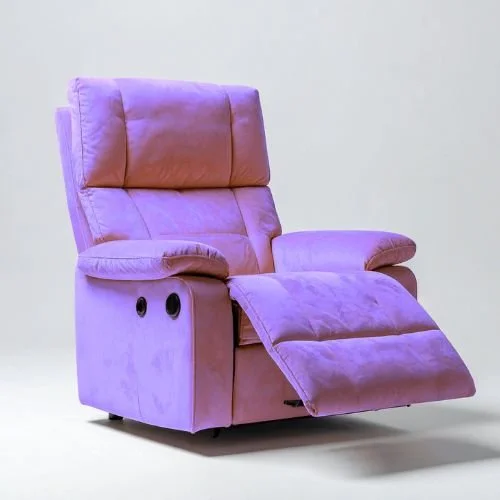
Modern office chairs are designed to hold a person still, to be mobile with wheels, and to be comfortable. And comfort is where things go wrong. We love comfort. But couches and deeply cushioned recliners are designed for reclining and leisure, not for long hours of work. Sitting reclined for extended periods will get you stuck there just as surely as sitting at a desk.
One practical tip for people dealing with back issues: bring a dining room or kitchen chair into the family room. If you are going to watch TV for a couple of hours in the evening, sit in the more upright chair for at least part of that time. The reclined leisure position is not allowing your system to feel and respond to gravity the way it should.

Get on the Floor Daily
One of the pieces of homework Michael gives every client is to get on the floor and back up five times a day. A lot of people cannot do this safely and comfortably, which is also a fall prevention issue. Part of the fear of falling is not just the fall itself but the fear that you cannot get back up.
From the floor, the body can sense load and ground contact in a very different way. There is much more physical connection. The system loves variability, and different floor positions, cross-legged, legs straight out, kneeling, give the brain new sensations and new load patterns that make the grounding sense more powerful.
Cross-legged sitting is good. Long sitting with legs extended is also good. Even sitting on a low step or cushioned kneeling pad, like the kind used in Japanese culture, is great for reading or meditation. The ground is so important for the body and brain.
Screen Time Messes With Your Nervous System
Looking away from your screen is not just about protecting your eyesight, though the pixelation and screen focus are genuinely hard on the visual system. The bigger issue is what it does to the autonomic nervous system, the system that is supposed to self-regulate us. Staring at a one-dimensional synthetic surface for hours is fundamentally different from the kind of focused attention the nervous system evolved with.
Compare it to preparing a meal. When you are managing food with your hands, sensing it, smelling it, seeing it in three dimensions, that is a system engaged in a natural, meaningful task. Staring at a flat synthetic screen puts a very different kind of strain on the brain.
Zoom fatigue is a real version of this. Looking at yourself on camera for extended periods is a stressor on the system. If you do a lot of video calls, look at the camera rather than at yourself. It communicates genuine eye contact to the other person, and it takes the focus off you, which reduces the self-monitoring stress.
Your Brain’s Not Helping
Unfortunately, your brain is working against you, when you try to improve your movement habits. Why? Because the brain is always pursuing efficiency, ease, comfort, safety, and the familiar. It wants the most comfortable shoes, the most cushioned chair, the escalator instead of the stairs. It wants to flop into a chair rather than lower itself deliberately. Over time, all of these shortcuts create layers of compensation and imbalance that the brain then has to work around.
The brain needs novelty and challenge to break these patterns. Otherwise it just defaults to whatever feels most safe and familiar, which is often the position that requires the least effort and the least movement. This is why intentional check-ins throughout the day matter so much. The body is not going to volunteer awareness. You have to build it in.
Quick Posture Check-Ins
The simplest posture check is the breathing check. Try the five or six breath reset: sit with feet flat, feel your sits bones grounded, and take a slow nasal breath in. Can you feel your back open and expand? Can you feel your belly expand without forcing it? Are you holding your breath or breathing in a rushed, shallow way?
From there, notice where you are carrying tension. Is your jaw clenched? Are your shoulders pulled up toward your ears? Is your head forward of your shoulders? Just bringing awareness to these things, without judgment, is the beginning of change.
The goal is not to find the perfect posture and hold it. It is to check in, arrange things a little better, breathe more fully, and then move again. Posture is not a destination. It is a practice.
How to Walk Better
Walking is one of the most powerful things the body can do. It uses all the senses, explores the environment, and teaches the body to pump properly. But most of us are not getting the full benefit because of a few small habits.
Breathe through your nose. Even going uphill, keep nasal breathing as long as you can. When you have to open your mouth to get more air, that is fine, but nose breathing optimizes the internal canister shape and keeps the system regulated.
Swing your arms. Most people do not swing their arms forward enough. The arms are supposed to alternate with the opposite leg as you move forward. A well-positioned body feels a little wobbly and unstable when walking, not rigid and tight. That wobble is the internal systems having room to move. Feeling the weight of the arms transfer into the ground and side to side is part of how the body pumps during movement.
Snap your fingers. You can snap as you swing your arms while walking. It promotes arm swing and the auditory input is soothing to the brain and nervous system.
Look outward, not down. If you feel safe doing so, look ahead and outward rather than at the ground. Having things pass by in your visual field is part of how the brain senses movement and feels safe. The Doppler effect of sounds coming toward you and passing by is another sensory input that supports the body's sense of movement. All of these things together make walking a genuinely restorative activity, not just exercise.
Movement Is the Medicine
The common thread in everything Michael shared is that the body needs variability, not a perfect static position. It needs to move, shift, change positions, pump, breathe, and sense the world around it. Good posture is not a shape you hold. It is a practice of continually checking in, arranging a little better, breathing a little fuller, and then moving again.
Sit for 30 to 45 minutes, then move. Breathe through your nose. Feel your sits bones. Do a back-breath check. Look out the window. Get on the floor. Walk with your arms swinging. These are not complicated interventions. But they add up to a body that functions the way it was designed to.
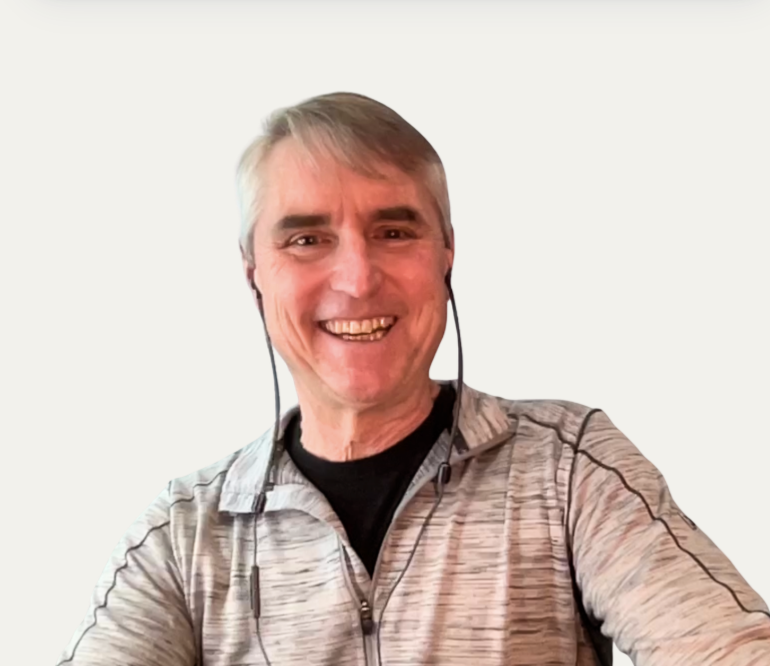
Meet Our Guest: Michael J. Mullin
Michael is a clinically based certified athletic trainer with over 35 years of experience in rehabilitation and performance training. He is the owner and clinician at Integrative Rehab Training LLC, which provides rehabilitation and training services, consulting, and educational programming based out of Cumberland, Maine.
A Clinical Adjunct Faculty member at the University of New England, Michael is also a licensed Physical Therapy Assistant with extensive exposure to a wide range of educational programs and methodologies. His work has included consultation, treatment, and presentations for professional athletes and teams, universities, professional associations, and national and international organizations.
An internationally recognized speaker on sports medicine, rehabilitation, training, and performance, Michael has been published in numerous professional books, journals, and magazines.
Connect with Michael:
Website | Twitter | Instagram | Threads
Resources from Michael:
Dispelling Myths & Clarifying Concepts of Posture (video)
Novel Suggestions on Sitting Workplace Ergonomics (prof. paper)

Meet Our Host: Jennifer Robin O’Keefe
Jennifer Robin is always searching for the next thing that might help: the book, the practice, the reframe you didn't know existed but turns out to be exactly what you needed.
Through conversations with experts, authors, and everyday humans, along with personal reflection, Jennifer focuses on bridging the gap between "woo" and practical, accessible self-support. Her work is rooted in the belief that wellness is not about fixing yourself, but about remembering your worth and finding what genuinely works for you.
She has spent decades exploring personal growth, energy healing, and mind-body wellness. She's trained in EFT Tapping and coaching, tools she often references in her conversations. She's not positioning herself as an expert who has it all figured out. She approaches her work with humility, curiosity, and deep respect for individual experience.
Jennifer is a lifelong learner who cherishes books and notebooks. She loves diving into research and sharing what she learns in a way that feels relatable, compassionate, and pressure-free. These conversations are an invitation: to ask your own questions, gather perspectives that resonate, and build a life that actually feels good to you.